
Liangzhilong Closes: 50,000 Professional Visitors Pack Pazhou, and the Game for Chinese Cuisine Going Global Is No Longer Just About Taste
2026-08-14 to 2026-08-16 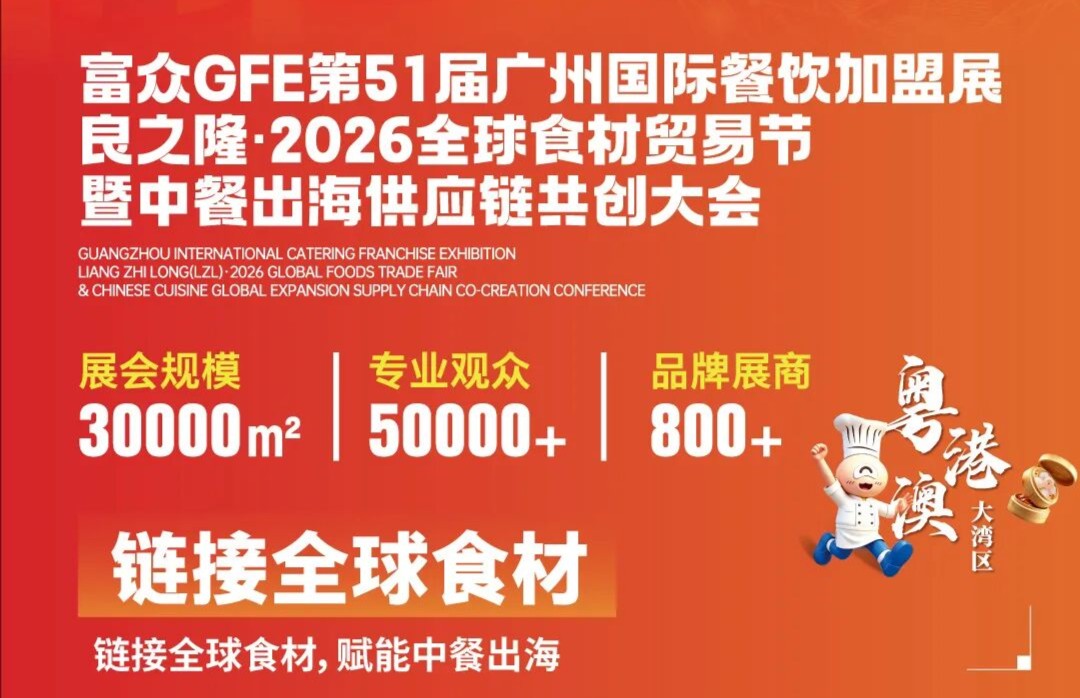
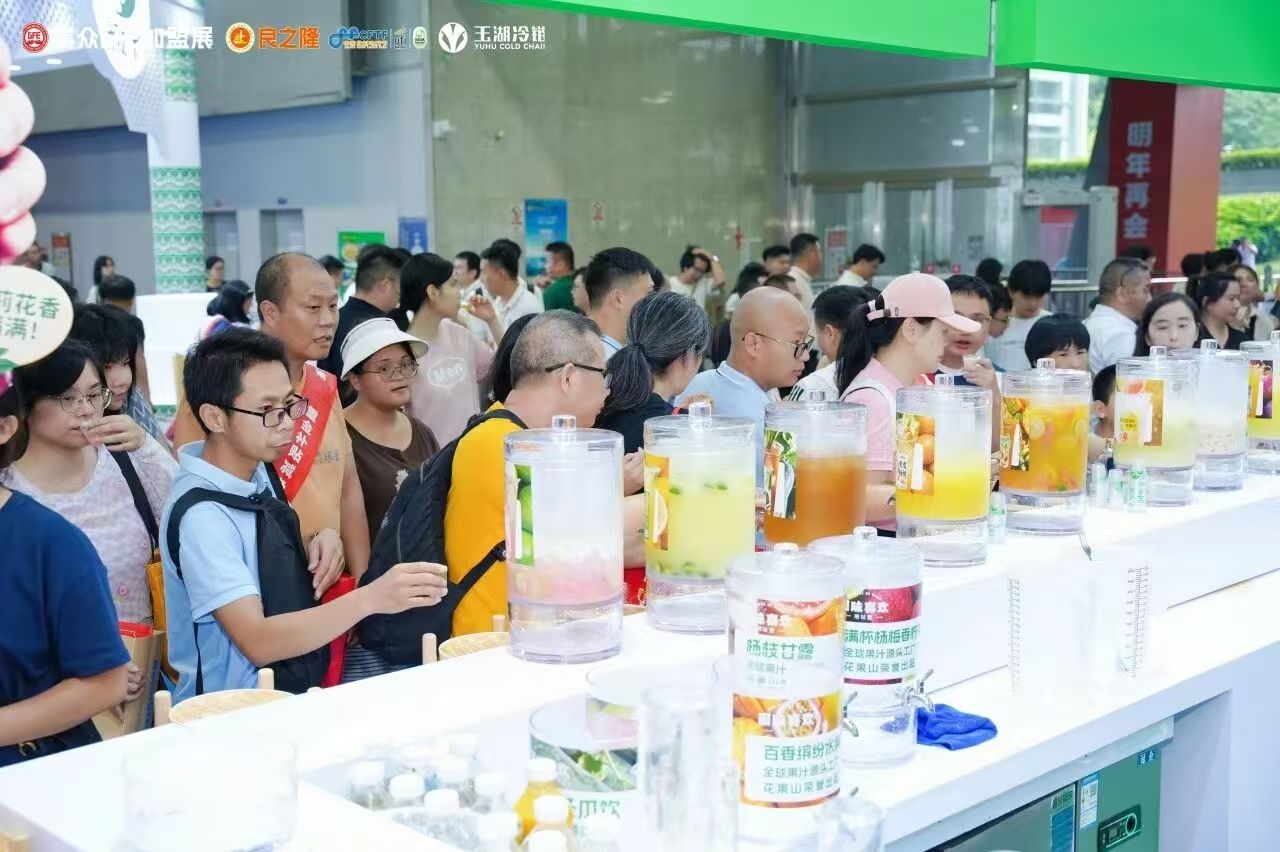
On August 16, the three‑day Liangzhilong · 2026 Global Food Ingredients Trade Festival & Co‑creation Conference on the Chinese Cuisine Go‑Global Supply Chain came to a close at the Canton Fair Complex, Hall B. With a 30,000㎡ exhibition area, 800+ brand exhibitors, 20,000+ global ingredients, 50,000+ professional visitors, and the concurrently held GFE 51st Guangzhou International Catering Franchise Expo – this annual ingredient event in South China was visibly buzzing with activity.
But if you walked around the halls a few more times, you would notice that the hottest topic this year was not "which dish tastes best", but "how to sell it, how to ship it, and how to sell it in compliance".
In the 30,000 sqm expo, the most crowded entrance was labelled "Going Global"
This year's event was built around the core theme of "Connecting global ingredients, empowering Chinese cuisine to go global", bringing together two major ecosystems – "Cantonese food ingredients" and "chain franchising" – under one roof, with exhibits covering the entire chain from meat, aquatic products, pastries, fruits and vegetables, and seasonings to supply chain services.
One detail spoke volumes: the Integrated Go‑Global Service Zone located at Booth L36 in Hall 9.1 received over 300 groups of visitors over the three days, consistently outdrawing many pure exhibition‑sales booths. The volume of enquiries does not lie – going global has shifted from a "nice‑to‑have" to a "must‑answer" question for manufacturers.
Chinese cuisine going global has moved from "opening a restaurant" to "building a system"
In the early years, Chinese food brands going global relied on ethnic Chinese customers and single‑store trials – one restaurant, one wok, one chef was enough to get started. Not anymore. The industry as a whole has entered a phase of systematic expansion, underpinned by supply chains and standardised operations.
What does this mean? It means the decisive factor is no longer the taste at the front of house, but the system at the back end – whether your ingredients can be supplied consistently, whether customs clearance is compliant, whether the cold chain remains unbroken – these are the prerequisites for a brand to be "replicated in bulk" overseas. For upstream ingredient suppliers, this is precisely a golden opportunity: every step of a restaurant brand's overseas expansion translates into multiplied ingredient orders.
Opportunities are there, but where do suppliers get stuck?
The opportunities are real, but so are the barriers. The most common concerns heard at the expo boiled down to four categories: overseas market access rules differ by country, and companies are unsure about how to handle certifications; cross‑border cold chain solutions are difficult to figure out and costs are hard to calculate; even after coming to the expo, they do not know where to find overseas buyers or how to negotiate; and small‑ and medium‑sized suppliers face high costs, limited resources, and low matching efficiency when exhibiting on their own.
Relying on self‑exploration to tackle these issues carries far higher trial‑and‑error costs than imagined.
Jade Premium on site: breaking "going global" down into actionable steps
As a platform under Yuhu Group focused on international food ingredient trade, Jade Premium , together with Yuhu Cold Chain (Guangzhou) Trading Centre, provided one‑stop support at the Integrated Go‑Global Service Zone – covering export pathway planning, overseas market access guidance, cold chain logistics solutions, and buyer matching. Over the three days, more than 300 groups of merchants came with questions and left with actionable plans.
In addition to on‑site services, Jade Premium also organised group visits for tenants of the park, providing guided tours and introductions to key exhibitors, helping small‑ and medium‑sized merchants secure exposure and buyer resources at lower cost. The expo lasted only three days, but the services do not stop there: from compliance certification and Hong Kong‑bound trade, to "Hong Kong Registration" accreditation and overseas channel implementation – every step of the go‑global journey has someone to walk with you.
The expo is over, but the race has just heated up. Chinese cuisine going global is a long, rewarding road – those who start early will be the first to enjoy the thickest part of the snowfield.