
Spicy Snacks Are Taking Over the World – Where's Your Share?
2026-08-14 to 2026-08-15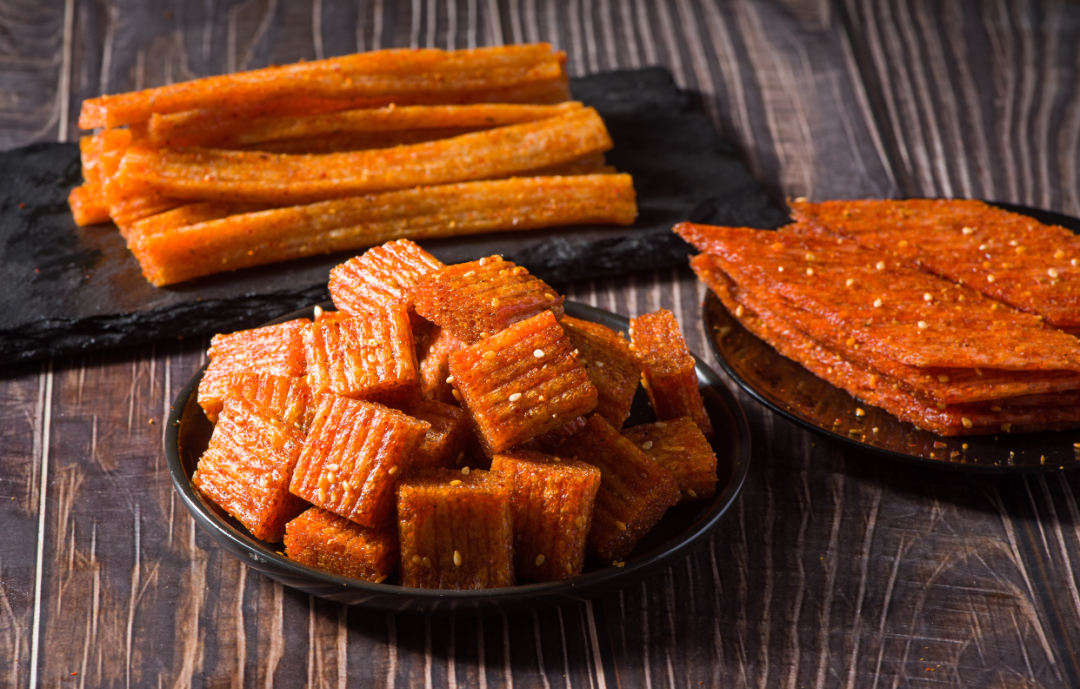
Ten years ago, the "junk food" that parents jointly boycotted would never have imagined that it would make foreigners go crazy and transform into a "must-try Chinese snack." Today, you can find it in supermarkets in Malaysia, convenience stores in Singapore, specialty food shops in the US, and even on Amazon's luxury lists – spicy snacks are no longer just a taste of home for Chinese students abroad, but a delicious choice actively sought after by young people around the globe.
The market ship is bigger than you think.
More than 160 countries and regions, overseas sales growing over 120% year-on-year, a US$19 billion Southeast Asian snack market, and an 11.5% annual compound growth rate for online snacks in Southeast Asia – these four figures point to one business trend: the overseas expansion of Chinese spicy snacks has already entered a white-hot stage.
According to data tracked by Statista, the Southeast Asian snack market is expected to exceed US$19 billion in revenue by 2025, with online sales growing much faster than the category's overall rate.
Why is it so popular overseas?
In Southeast Asia, over 60% of online snack orders come from Gen Z, who are deeply reliant on the internet. Between 2026 and 2031, the annual compound growth rate of salty snacks through online channels in Southeast Asia is expected to approach 11.5%. Snacks that used to appear only on the shelves of Chinese supermarkets can now reach millions of overseas consumers within one hour through e-commerce and short videos.
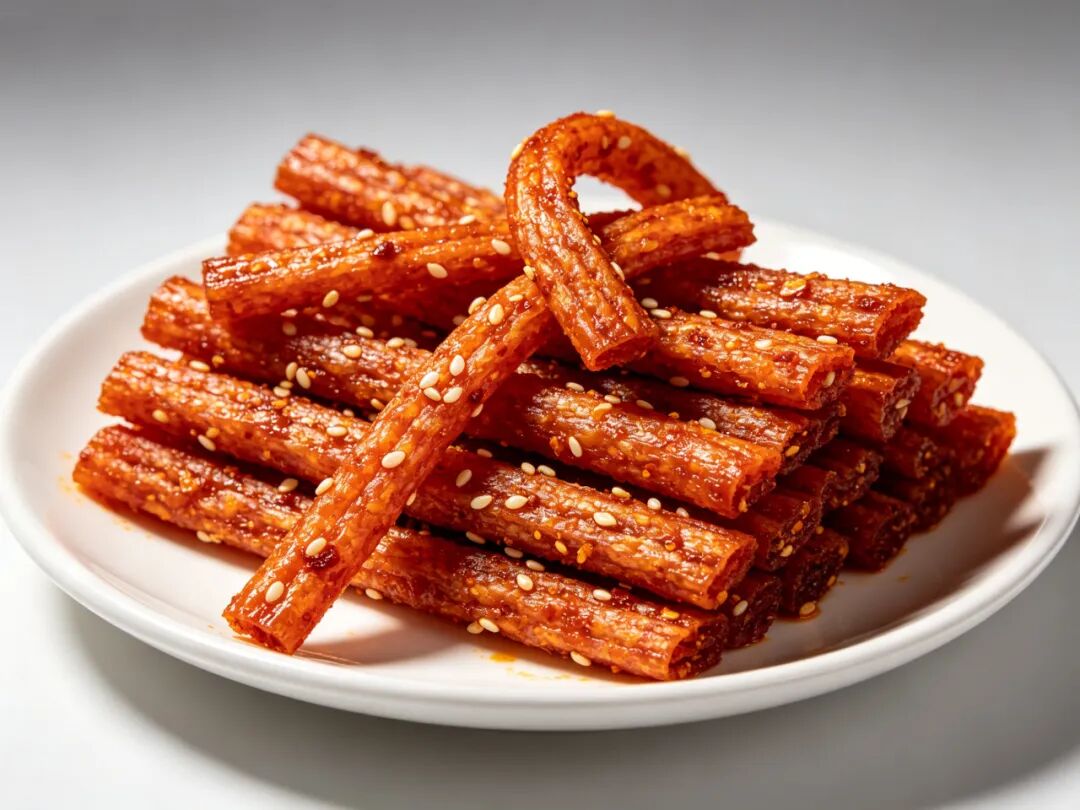
More than mere cravings, trends on social media are the true driver of youth desire – influencers' spicy-eating challenges, bloggers' snack reviews... the visual impact of red-faced spice on screen, combined with wave after wave of internet hype, has made spicy snacks, led by spicy gluten strips, an indispensable social currency among young people.
But not enough people have boarded the ship.
Even more telling is another number: a leading Chinese spicy snack brand with annual revenue of several billion yuan has fewer than 40 overseas contracted distributors to date. The tide of spicy snack exports has formed, but competition on the supply side is far from saturated. International demand for "Chinese spiciness" is rapidly expanding, while the number of domestic manufacturers that truly have export qualifications, understand overseas compliance, and can ensure stable supply is far behind market enthusiasm.
This is precisely the golden period for overtaking – leading brands have not yet formed monopolies overseas, and consumer awareness of "Chinese spicy snacks" still remains at the category level. Whoever takes the first step to place their products on shelves in Bangkok, Singapore, or Los Angeles stands to be the winner of this round.
However, going global is never as simple as swapping Chinese on the packaging for English. Countries vary widely in their requirements for food additives and pesticide residues – each is an invisible hurdle. Rather than spending time on trial and error, finding a proven supply chain path is the fastest shortcut.